
Protect.
Detect.
Connect.
Lead Prevention Starts At Home.
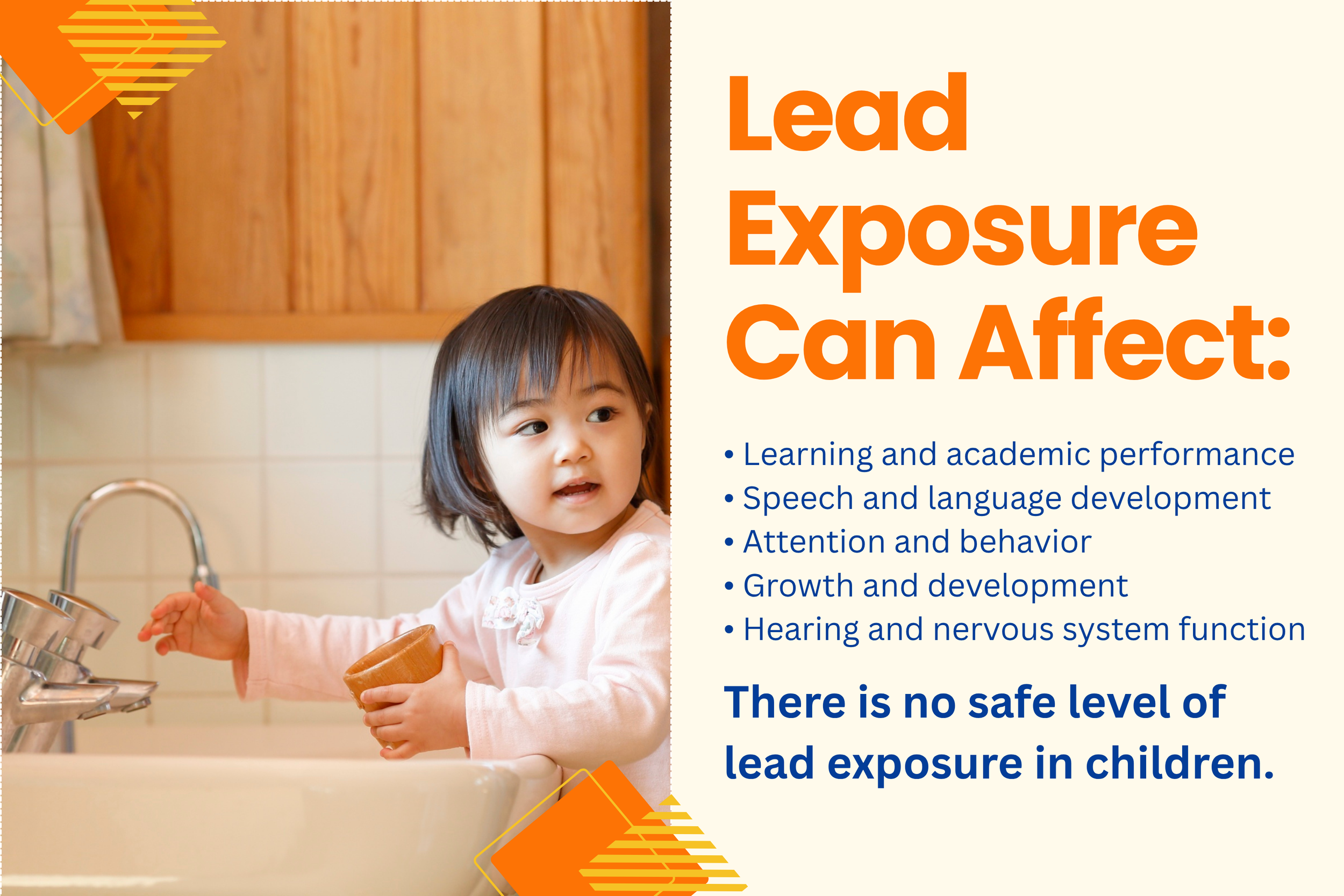
Lead exposure can happen quietly through paint, dust, soil, water, imported products, toys, spices, ceramics, and everyday environments children interact with every day. Even low levels of lead can affect learning, behavior, growth, and development, especially in young children.

What Is Lead And Why Does It Matter?
Lead is a toxic metal that can harm the brain, nervous system, and overall development of children. Young children are especially vulnerable because their bodies and brains are still growing.
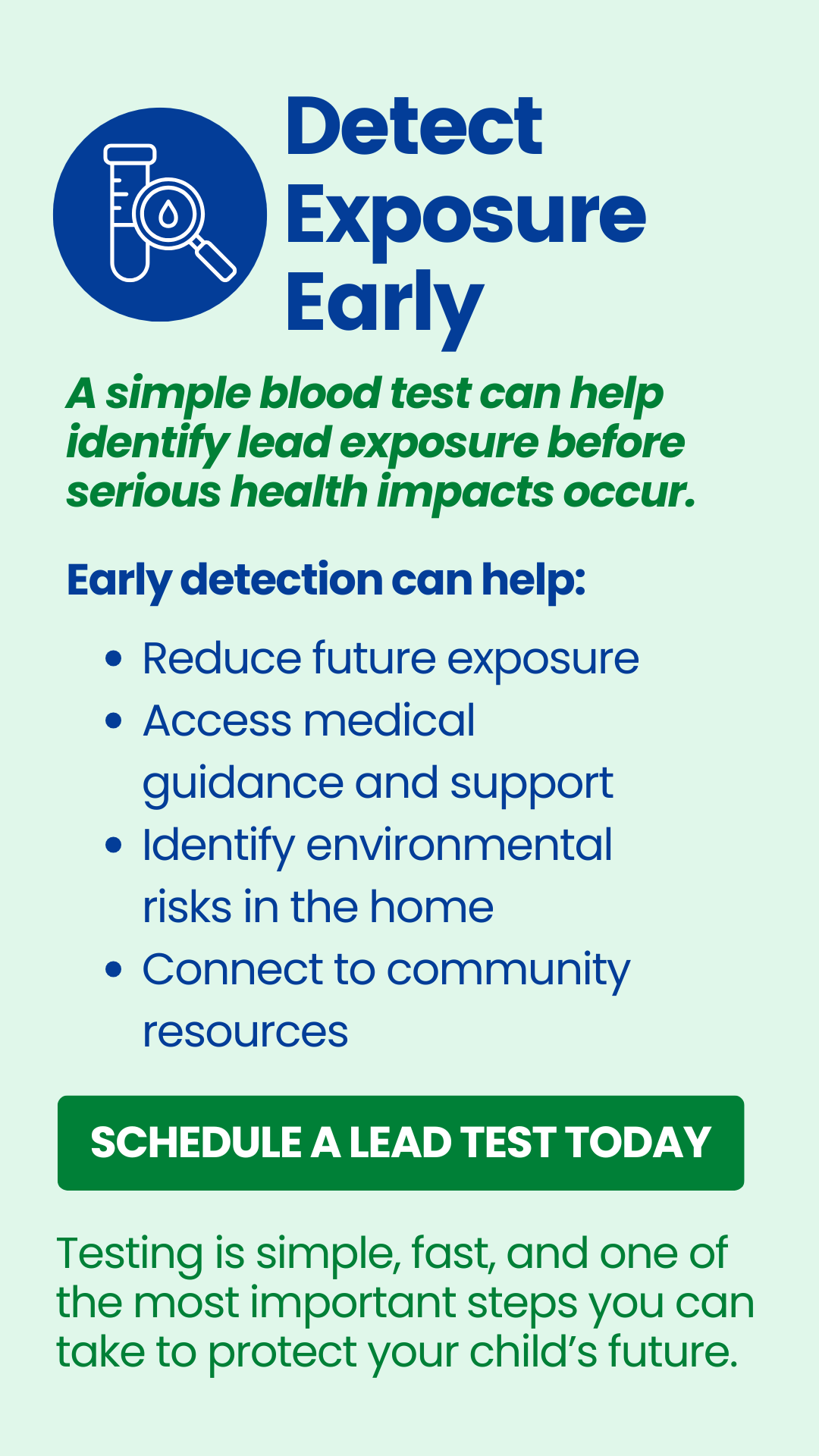
Many children exposed to lead may not immediately show symptoms, which is why testing and prevention are so important.
Where Can Lead Be Found?
Lead exposure is often connected to older homes, contaminated dust, or environmental exposure, but many families are surprised to learn how many everyday items may also contain lead.
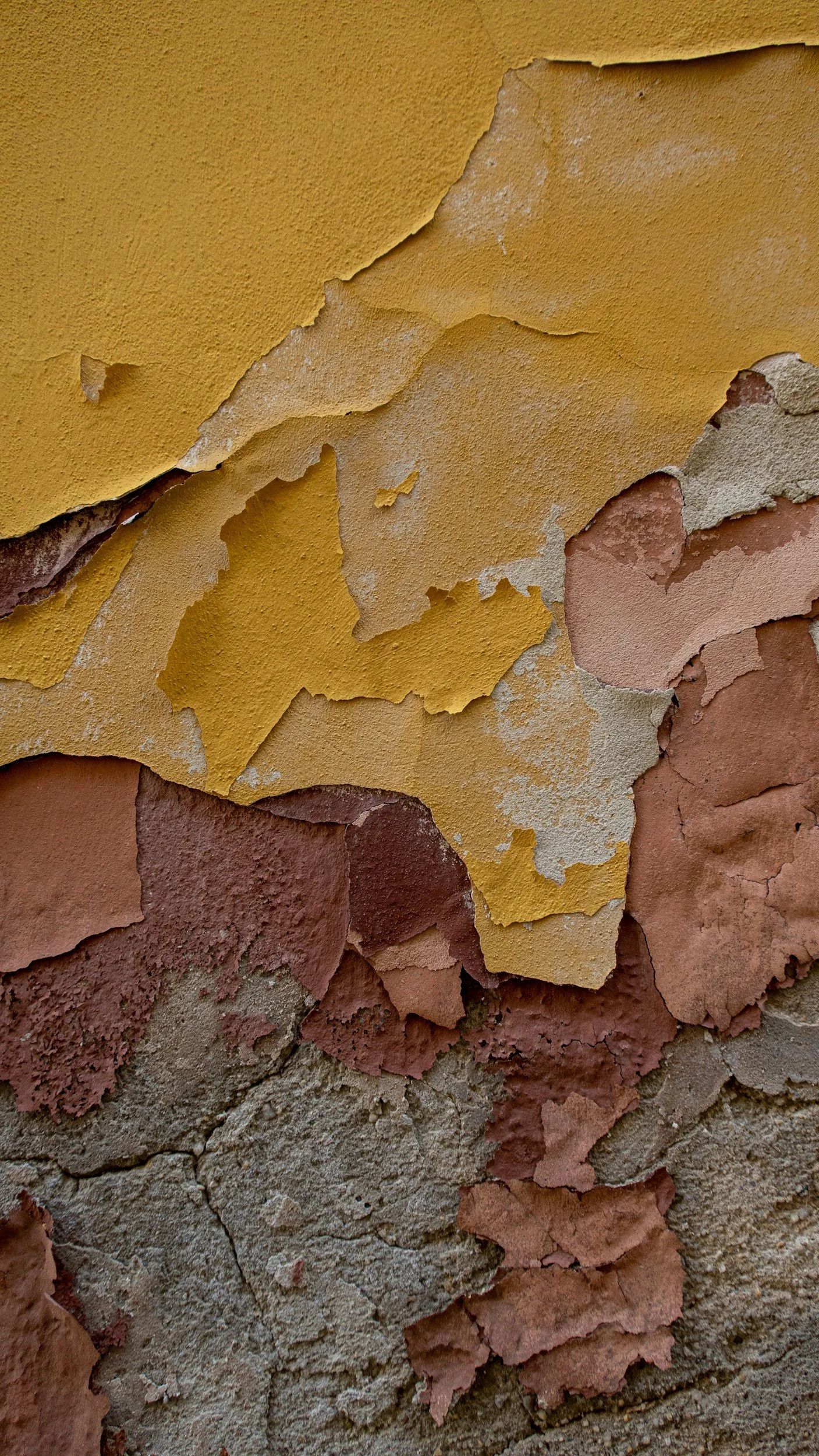
Older Homes, Water & Plumbing
Homes built before 1978 may contain lead-based paint. As paint chips, cracks, or turns into dust, children can accidentally breathe or swallow contaminated particles.
Older pipes and plumbing fixtures can release lead into drinking water.
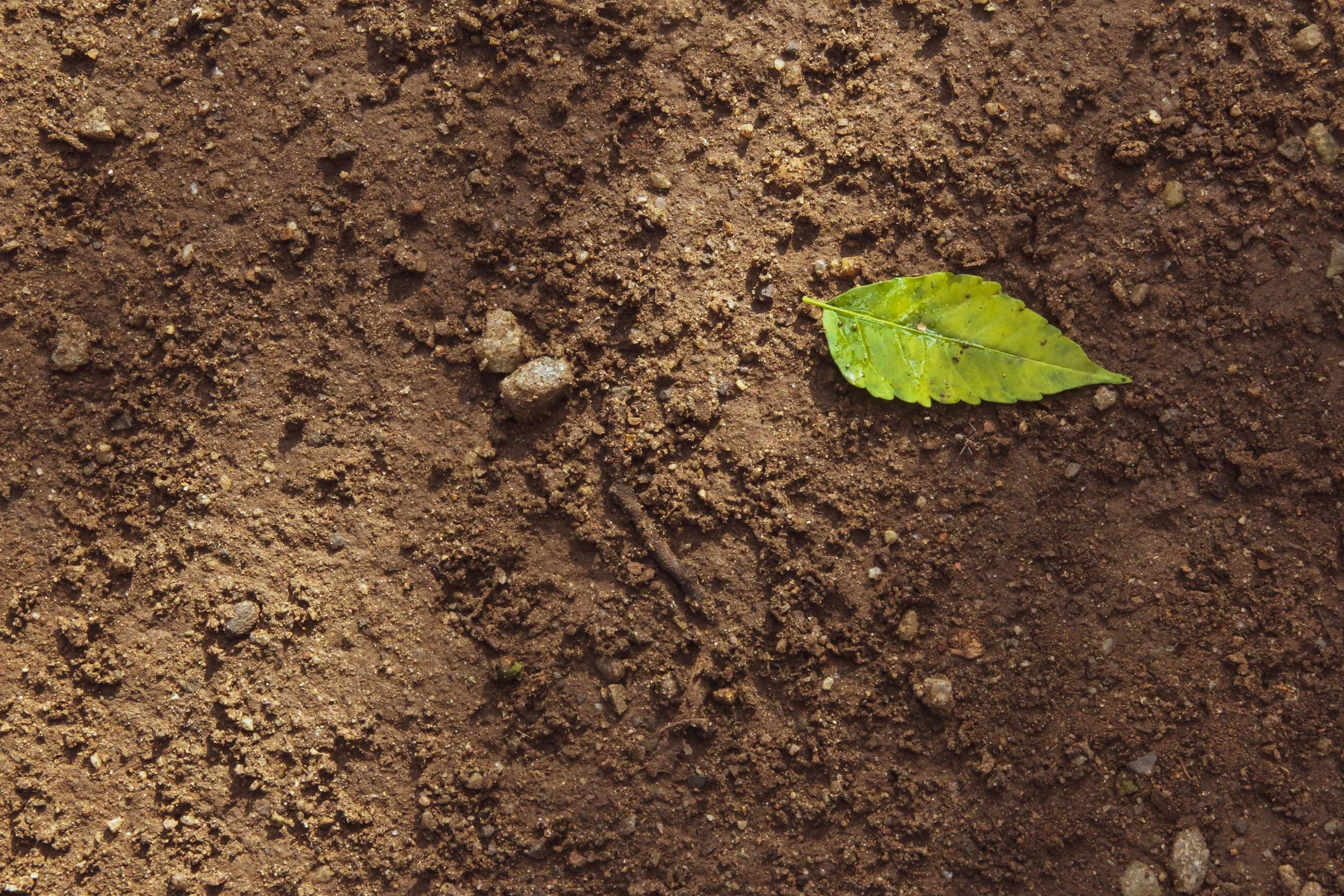
Soil And Outdoor Spaces
Lead can remain in soil for decades from old paint, industrial pollution, or heavy traffic areas. Children playing outside may track contaminated dirt into the home.

Imported Or Cultural Products
Some imported spices, cosmetics, traditional remedies, cookware, candies, ceramics, toys, jewelry, or handmade goods may contain lead, especially products purchased overseas or through informal markets.
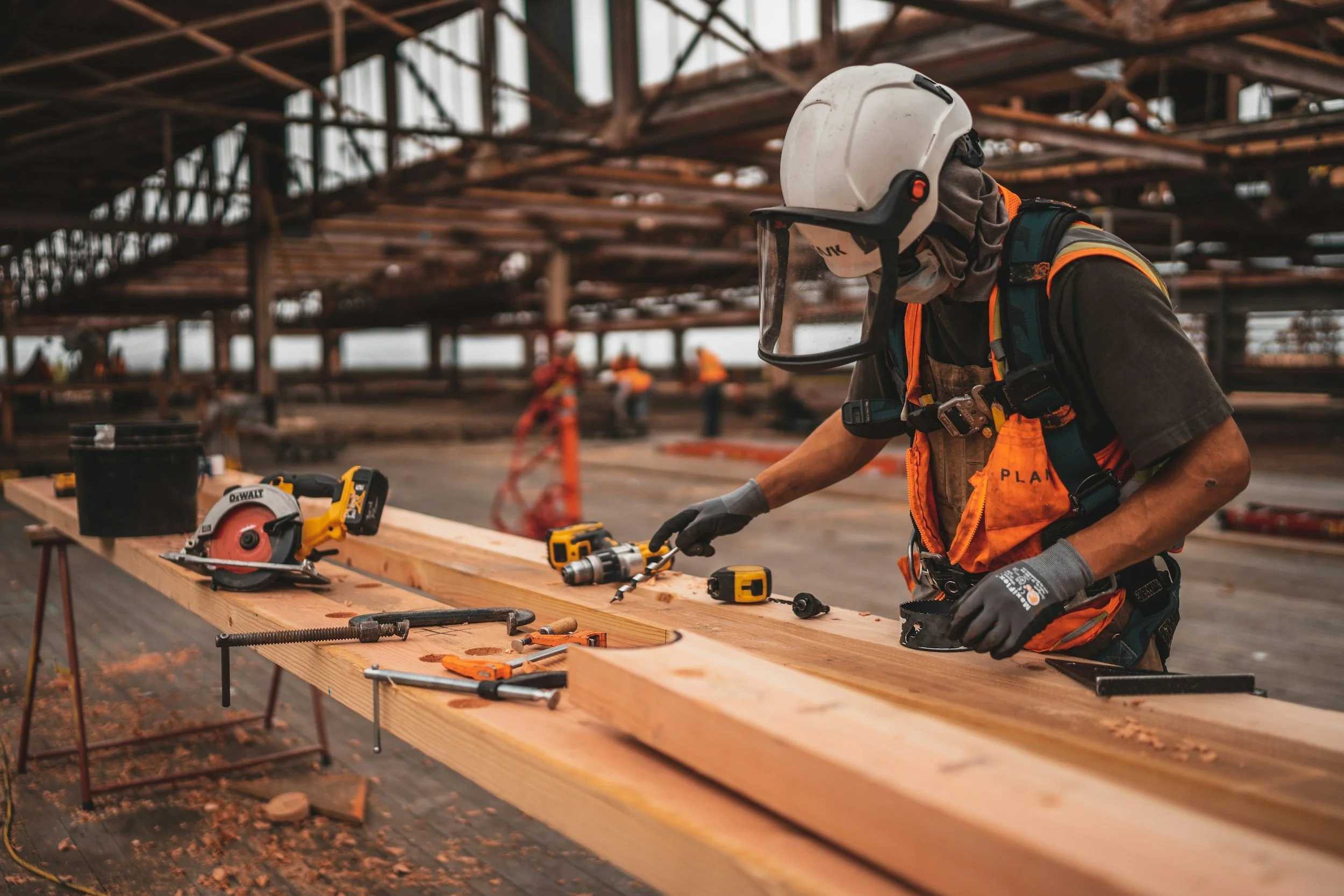
Jobs And Hobbies
Construction, painting, auto work, manufacturing, and renovations can bring lead dust home on shoes, clothing, skin, or tools.
Where Can Lead Be Found?
Lead exposure is often connected to older homes, contaminated dust, or environmental exposure, but many families are surprised to learn how many everyday items may also contain lead.
Older Homes
Homes built before 1978 may contain lead-based paint. As paint chips, cracks, or turns into dust, children can accidentally breathe or swallow contaminated particles.
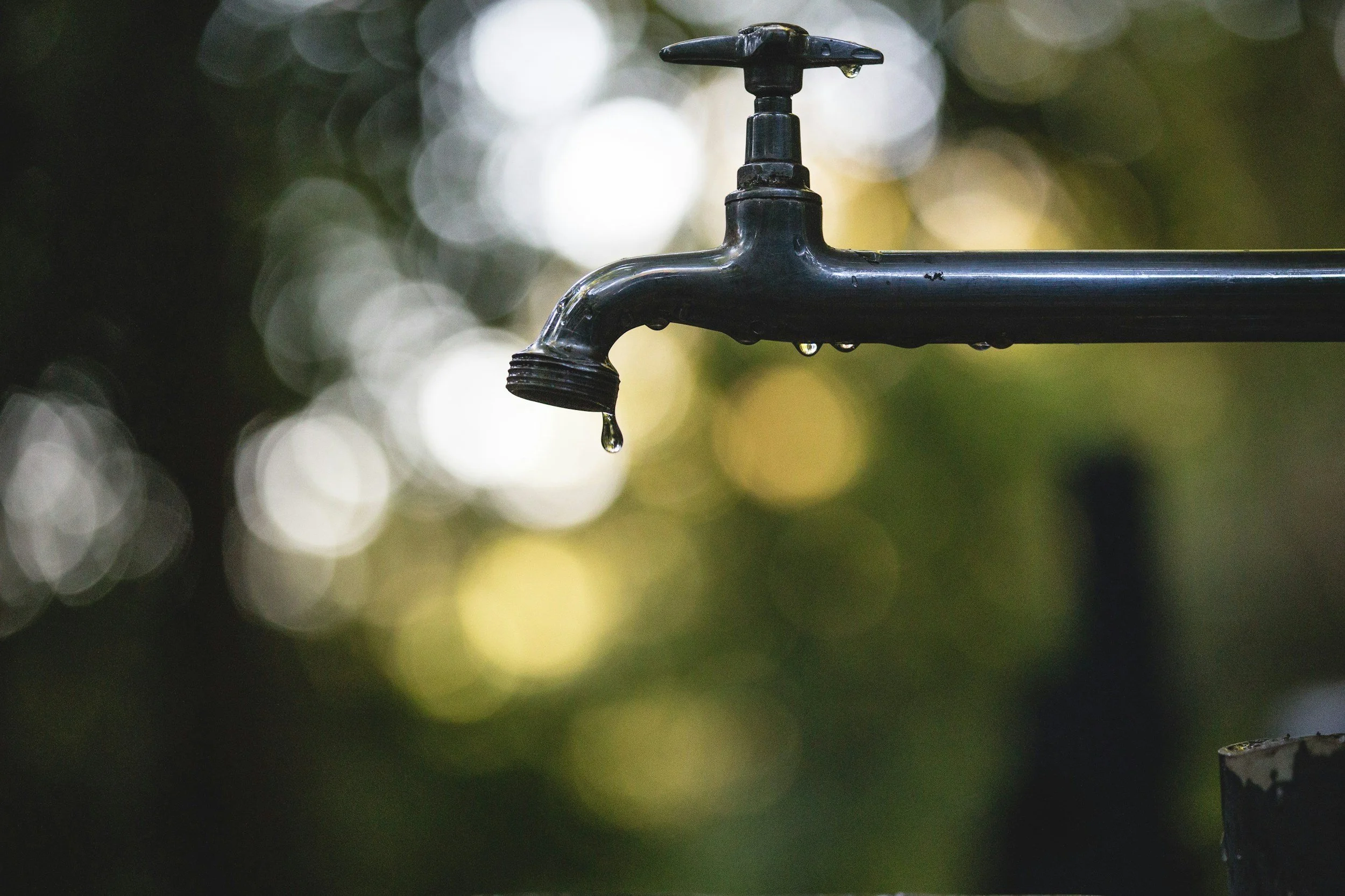
Water & Plumbing
Older pipes and plumbing fixtures can release lead into drinking water.
Soil And Outdoor Spaces
Lead can remain in soil for decades from old paint, industrial pollution, or heavy traffic areas. Children playing outside may track contaminated dirt into the home.
Imported Or Cultural Products
Some imported spices, cosmetics, traditional remedies, cookware, candies, ceramics, toys, jewelry, or handmade goods may contain lead, especially products purchased overseas or through informal markets.
Jobs And Hobbies
Construction, painting, auto work, manufacturing, and renovations can bring lead dust home on shoes, clothing, skin, or tools.

Learn The Signs. Know The Risk.
Many children with lead exposure do not look or feel sick right away.
Possible Warning Signs
Trouble focusing or learning
Delayed development or speech
Irritability or mood changes
Fatigue or low energy
Stomach pain or appetite changes
Children Most At Risk
Children under age 6
Families living in older housing
Homes undergoing renovations
Families using imported goods or traditional products
Communities near industrial or high traffic areas


Healthier Homes. Healthier Futures.
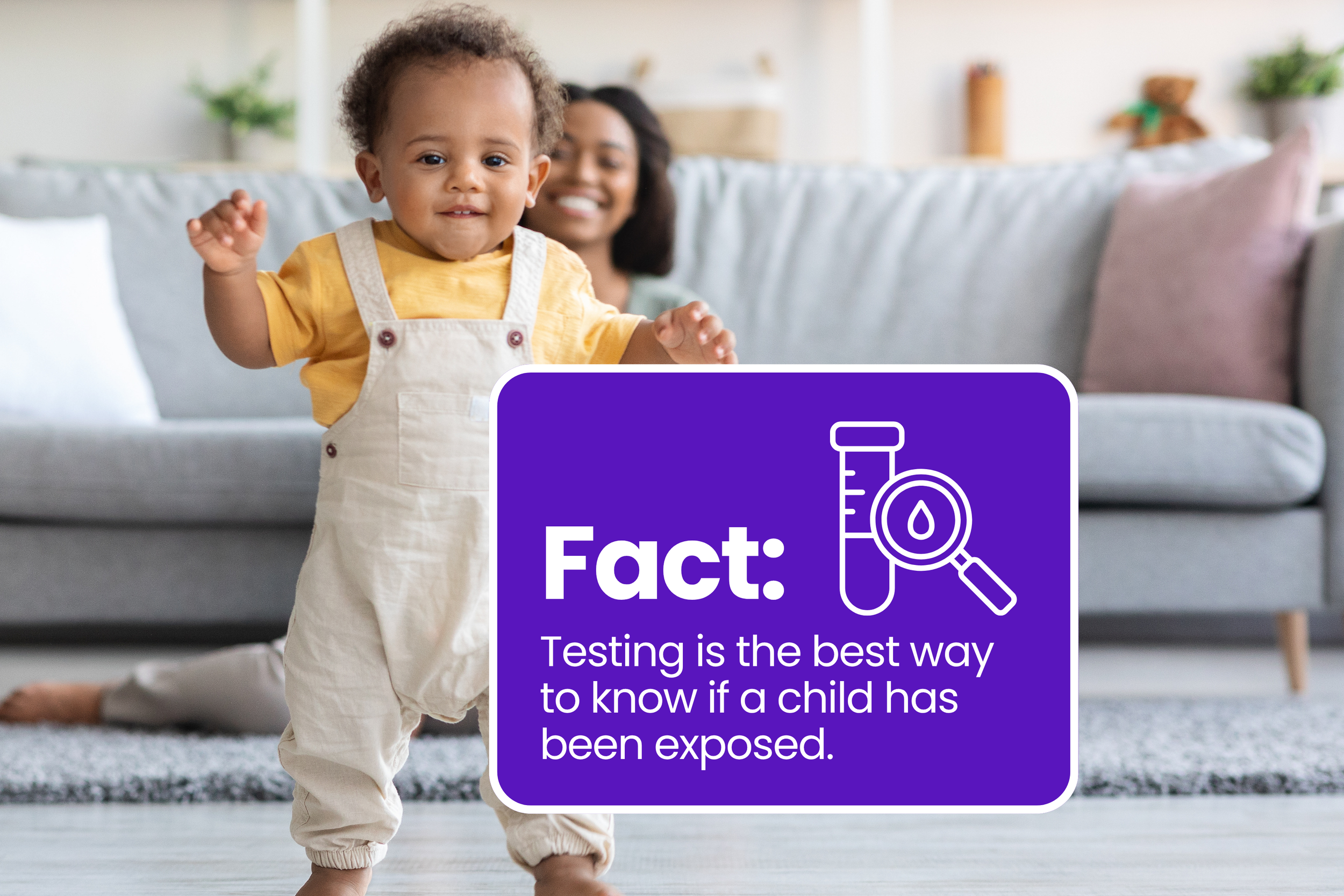
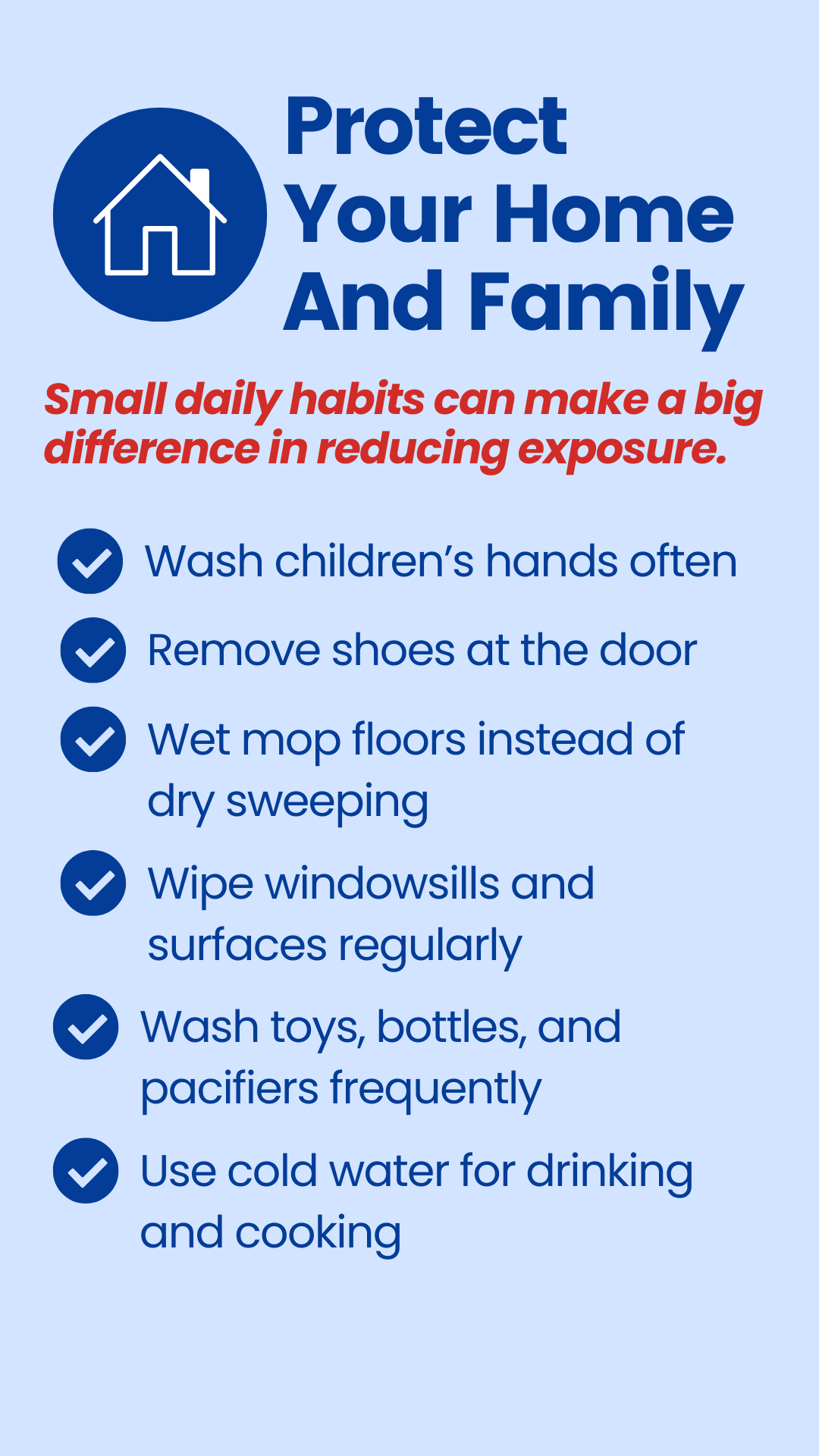
Lead poisoning is preventable. Prevention starts with awareness, testing, healthy environments, and communities working together to protect children.
Whether you are a parent, caregiver, educator, landlord, healthcare provider, or community member, you have a role in creating safer spaces for children to grow and thrive.


Protect Today. Prevent Tomorrow. Build a healthier future for our children.
For more information visit: